
Common Aluminum Alloys: Series, Grades, Properties, and Applications
Aluminum is widely used in industrial components because it is lightweight, corrosion resistant, easy to form, and suitable for many machining and surface finishing processes. However, different aluminum grades behave very differently in strength, weldability, corrosion resistance, extrusion performance, and CNC machinability.
This guide explains the most common aluminum alloy families, typical grades, and practical selection points for engineering, procurement, CNC machining, sheet metal, profiles, and cast aluminum parts.
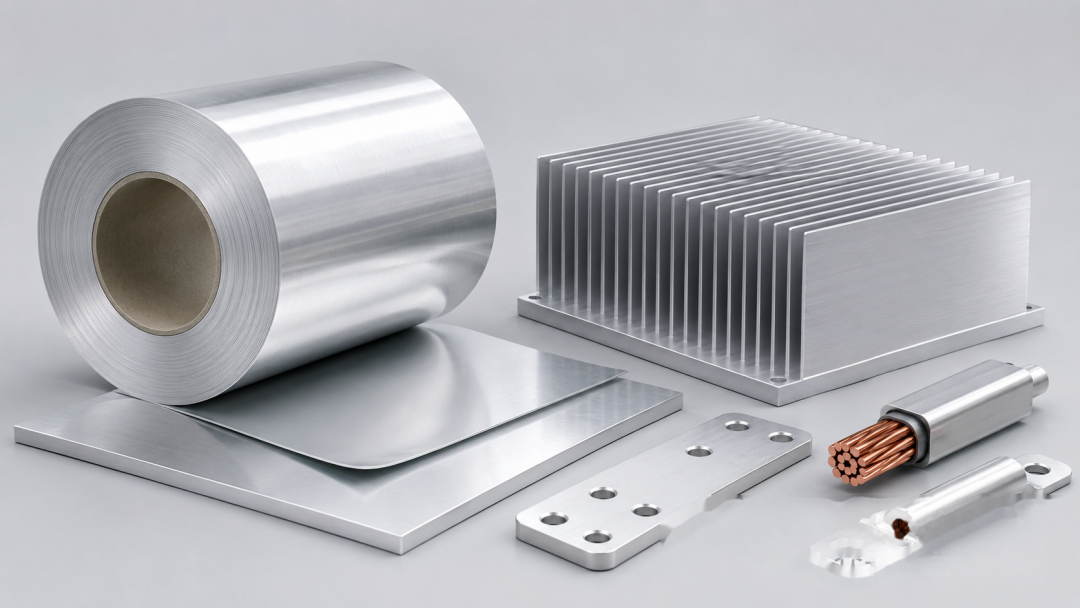
Chinese Standards Commonly Used for Aluminum Materials
| Standard | Scope | Practical Use |
|---|---|---|
| GB/T 3190-2020 | Chemical composition of wrought aluminum and aluminum alloys | Used for wrought products such as plate, strip, foil, tube, bar, profile, wire, forgings, and related ingots or billets. Common grades include 1060, 3003, 5052, 6061, 6063, 7075, and 2A12. |
| GB/T 6892-2023 | Extruded aluminum and aluminum alloy profiles for general industrial use | Used for industrial aluminum profiles such as equipment frames, machine frames, guide rails, heat sinks, and mechanical structural profiles. |
| GB/T 5237.1-2017 | Wrought aluminum alloy extruded profiles for architecture - Part 1: Mill finish profiles | Used for architectural aluminum profiles such as doors, windows, curtain walls, guardrails, and architectural decoration profiles. |
| GB/T 1173-2013 | Casting aluminum alloys | Used for cast aluminum alloys such as ZL101, ZL102, and ZL104. |
| GB/T 15115-2024 | Die casting aluminum alloys | Used for die-cast aluminum alloy systems, such as automotive motor housings and electronic control housings. |
Common Alloying Elements in Aluminum
| Element | Name | Main Function |
|---|---|---|
| Al | Aluminum | Base element with low density, good corrosion resistance, good thermal conductivity, and acceptable electrical conductivity. Pure aluminum has low strength and is mainly used for conductive, thermal, and forming applications. |
| Mg | Magnesium | Common in 5xxx and 6xxx alloys. It improves strength and corrosion resistance and generally supports good weldability. |
| Si | Silicon | Common in 6xxx alloys and cast aluminum alloys. It improves casting fluidity and forms strengthening phases with Mg in heat-treatable 6xxx alloys. |
| Cu | Copper | Common in 2xxx alloys. It significantly increases strength but usually reduces corrosion resistance and weldability. |
| Zn | Zinc | Common in 7xxx alloys. Together with Mg and Cu, it can deliver very high strength, but corrosion resistance, weldability, and stress corrosion should be evaluated carefully. |
| Mn | Manganese | Common in 3xxx alloys and also used in some 5xxx and 6xxx alloys. It improves strength and corrosion stability. |
| Fe | Iron | Usually controlled as an impurity element. Excessive Fe can reduce ductility and forming performance. |
The 9 Series of Wrought Aluminum Alloys
| Series | Alloy Family | Typical Grades | Main Characteristics |
|---|---|---|---|
| 1xxx | Commercially pure aluminum | 1060 | Good electrical and thermal conductivity, high ductility, good corrosion resistance, low strength. |
| 2xxx | Aluminum-copper alloys | 2A12, 2024 | High strength and good fatigue performance, but limited corrosion resistance and weldability. |
| 3xxx | Aluminum-manganese alloys | 3003, 3A21 | Good corrosion resistance and formability, stronger than pure aluminum. |
| 4xxx | Aluminum-silicon alloys | 4043 | Often used for welding wire, brazing material, and related applications. |
| 5xxx | Aluminum-magnesium alloys | 5052, 5083 | Good corrosion resistance and weldability, suitable for sheet metal, marine, and welded structures. |
| 6xxx | Aluminum-magnesium-silicon alloys | 6061, 6063, 6082 | Heat treatable with balanced extrusion performance, corrosion resistance, and machinability. |
| 7xxx | Aluminum-zinc alloys | 7075, 7A04 | Very high strength, but poorer weldability and corrosion resistance than many 6xxx alloys. |
| 8xxx | Other alloying element series | Special-purpose grades | Common in aluminum foil, battery foil, packaging, and special applications. |
| 9xxx | Reserved series | - | Rarely encountered in general engineering material selection. |
Common Wrought Aluminum Alloy Grades
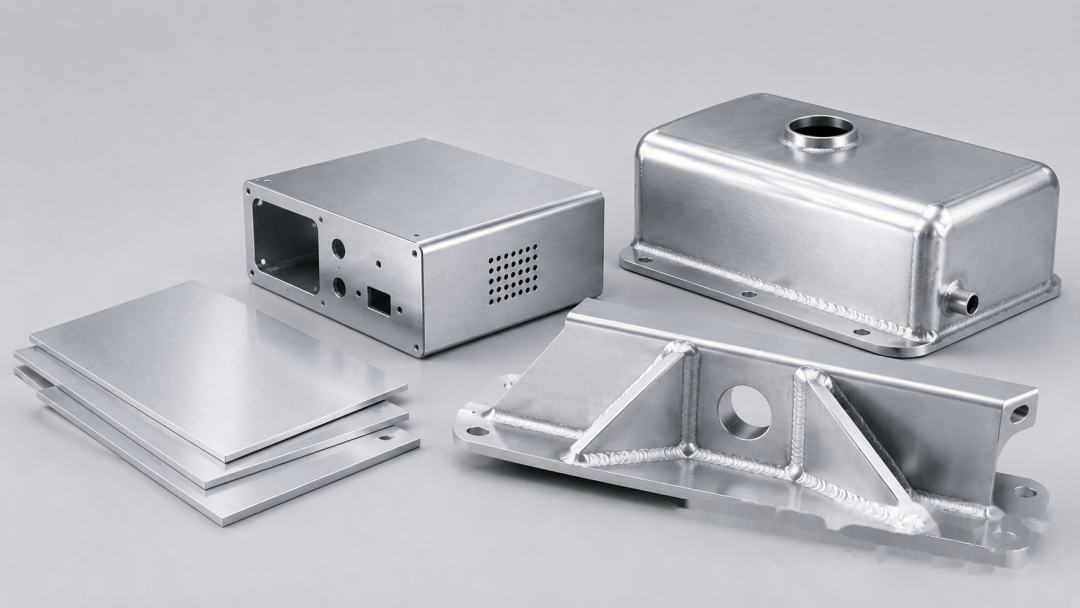
1060: Industrial pure aluminum
- Main composition: Aluminum content and impurity control
- Key properties: Excellent electrical conductivity, thermal conductivity, ductility, and corrosion resistance; low strength.
- Common applications: Electrical parts, heat sinks, nameplates, decorative panels, stamped parts.
- Selection note: Use when conductivity, heat transfer, and formability are more important than structural strength.
3003: Al-Mn alloy
- Main composition: Mn
- Key properties: Good corrosion resistance and formability; higher strength than pure aluminum.
- Common applications: Containers, tubing, heat sinks, sheet metal parts, kitchenware, general corrosion-resistant structures.
- Selection note: A practical choice when 1060 is not strong enough but good forming and corrosion resistance are still required.
5052: Al-Mg alloy / rust-resistant aluminum
- Main composition: Mg
- Key properties: Good corrosion resistance, weldability, and formability; stronger than 1060 and 3003.
- Common applications: Sheet metal, enclosures, marine parts, vehicle parts, fuel tanks, stamped parts.
- Selection note: Common for sheet metal, welding, and corrosion-resistant applications.
5083: Al-Mg alloy
- Main composition: Mg, Mn, Cr
- Key properties: Higher strength than 5052, good seawater corrosion resistance, good weldability.
- Common applications: Marine structures, offshore engineering, pressure vessels, welded structural parts.
- Selection note: Suitable for marine environments and higher-strength welded structures.
6063: Al-Mg-Si alloy
- Main composition: Mg and Si
- Key properties: Excellent extrusion performance and surface finishing quality; lower strength than 6061.
- Common applications: Architectural profiles, door and window profiles, decorative profiles, heat sinks, appearance parts.
- Selection note: Often selected for extrusion, anodizing, and visual appearance.
6061: Al-Mg-Si alloy
- Main composition: Mg and Si, with attention to Cu and Cr
- Key properties: Stronger than 6063, good machinability, balanced corrosion resistance and weldability.
- Common applications: Frames, fixtures, CNC machined components, structural parts, connecting plates, brackets.
- Selection note: A widely used default grade when strength, availability, machinability, and balanced performance all matter.
6082: Al-Mg-Si alloy
- Main composition: Mg, Si, Mn
- Key properties: Generally stronger than 6061 and commonly used in structural profile applications.
- Common applications: Structural profiles, mechanical structures, vehicle structures, load-bearing aluminum parts.
- Selection note: Use when a 6xxx structural alloy stronger than 6061 is preferred.
2A12: Hard aluminum / older Chinese designation LY12
- Main composition: Cu and Mg
- Key properties: High strength and good fatigue performance, but poor corrosion resistance and limited weldability.
- Common applications: Aerospace structural parts, riveted parts, high-strength plates, loaded components.
- Selection note: Suitable for high strength and fatigue requirements, but corrosion protection and joining method must be considered.
7075: High-strength aluminum alloy
- Main composition: Zn, Mg, Cu
- Key properties: Very high strength and good machinability, but poor weldability and lower corrosion resistance than 6xxx alloys.
- Common applications: Aerospace parts, high-strength fixtures, mold plates, high-load lightweight components.
- Selection note: 7075-T6 or 7075-T651 can be used for high-strength lightweight parts, but it should not be treated like ordinary weldable structural aluminum.
Aluminum Profiles
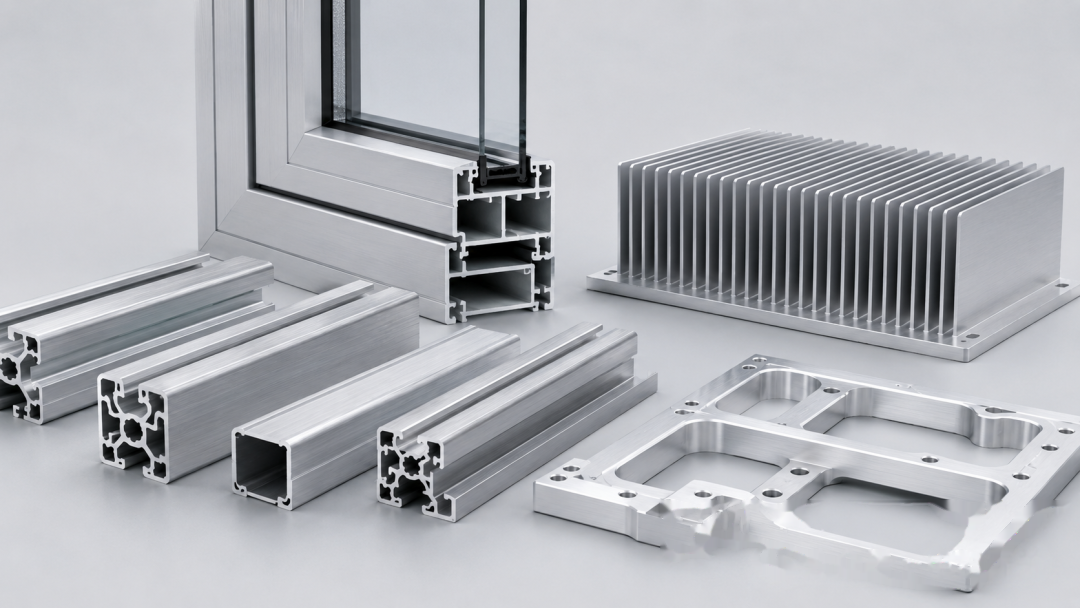
Industrial aluminum profiles, such as equipment frames, machine frames, guide rails, heat sinks, and mechanical structural profiles, are typically covered by GB/T 6892-2023.
Architectural aluminum profiles, such as doors, windows, curtain walls, guardrails, and decorative profiles, are usually covered by the GB/T 5237 series. GB/T 5237.1-2017 is the mill-finish base material part.
Common profile grades are mainly concentrated in the 6xxx series, including 6063, 6061, 6005, 6005A, and 6082. In general, 6063 is preferred for extrusion, appearance, and surface treatment, while 6061 and 6082 are preferred when structural strength is more important.
Cast Aluminum Alloys: ZL Series
Wrought aluminum alloys and cast aluminum alloys are different material systems. Grades such as 1060, 5052, 6061, and 7075 belong to wrought aluminum alloy families. In Chinese standards, common cast aluminum alloys are often identified by ZL grades.
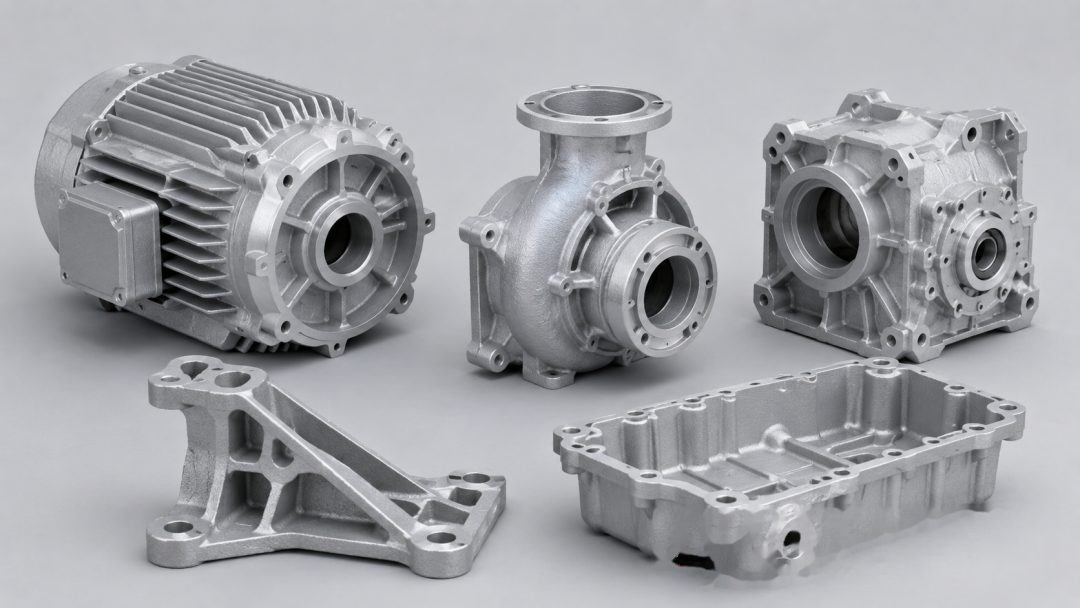
ZL101: Cast Al-Si-Mg alloy
- Main composition: Si and Mg
- Key properties: Good casting performance, heat treatable, good strength and corrosion resistance.
- Common applications: Aluminum castings, pump bodies, motor housings, brackets, box-type parts.
- Selection note: Suitable for sand casting, metal mold casting, and general cast aluminum components.
ZL102: Cast Al-Si alloy
- Main composition: Si
- Key properties: Good fluidity and casting performance, but relatively low strength.
- Common applications: Thin-wall castings, complex-shape castings, general housings.
- Selection note: Useful when casting fluidity and complex forming are more important than high strength.
ZL104: Cast Al-Si-Mg alloy
- Main composition: Si and Mg
- Key properties: Good overall performance and suitable for castings with higher mechanical requirements.
- Common applications: Housings, brackets, pump bodies, mechanical castings.
- Selection note: More load-capable than ordinary Al-Si casting alloys.
Note on Die-Cast Aluminum
Die-cast aluminum alloys are not the same as wrought aluminum or ordinary sand-cast aluminum alloys. Automotive motor housings, electronic control housings, and many high-volume die-cast components may use a die-casting alloy system such as GB/T 15115-2024.
Quick Selection Summary
| Requirement | Common Material Options |
|---|---|
| Need electrical conductivity, thermal conductivity, and easy forming | 1060 |
| General sheet metal, containers, and corrosion resistance | 3003, 5052 |
| Marine, offshore, and welded structures | 5083 |
| Extrusions, window/door profiles, heat sinks, and appearance parts | 6063 |
| CNC machining, fixtures, frames, and general structural parts | 6061 |
| Higher-strength 6xxx structural parts | 6082 |
| High-strength plates and aerospace riveted parts | 2A12 |
| High-strength lightweight machined parts | 7075 |
| Cast aluminum components | ZL101, ZL102, ZL104 |
CNC Machining Notes for Aluminum Parts
- 6061 and 6082 are often practical choices for CNC machined aluminum parts because they combine availability, machinability, strength, and stable surface treatment performance.
- 7075 is suitable for high-strength lightweight components, but corrosion protection, stress concentration, and joining methods should be reviewed carefully.
- 5052 is more common in sheet metal and welded components than in precision CNC machined structural parts.
- For aluminum profiles, grade selection is often driven by extrusion performance, surface finish, and structural strength requirements rather than machining alone.
- For cast aluminum parts, machining allowance, casting porosity, heat treatment state, and datum control should be confirmed before CNC finishing.
Need CNC Machined Aluminum Components?
For aluminum CNC turned parts, turn-mill components, shafts, sleeves, bushings, flanges, threaded adapters, and precision spacers, DXSCNC can help review the drawing, material selection, tolerance risk, surface finish, and manufacturing route before production.
Current turning and turn-mill machining range: up to 400 mm turning diameter and up to 500 mm machining length, depending on material, geometry, tolerance, workholding and inspection requirements.
Related DXSCNC resources: 6061 Aluminum CNC Machining, 6082 Aluminum CNC Machining, 7075 Aluminum CNC Machining, CNC Turning, Turn-Mill Machining, and Quality Inspection.