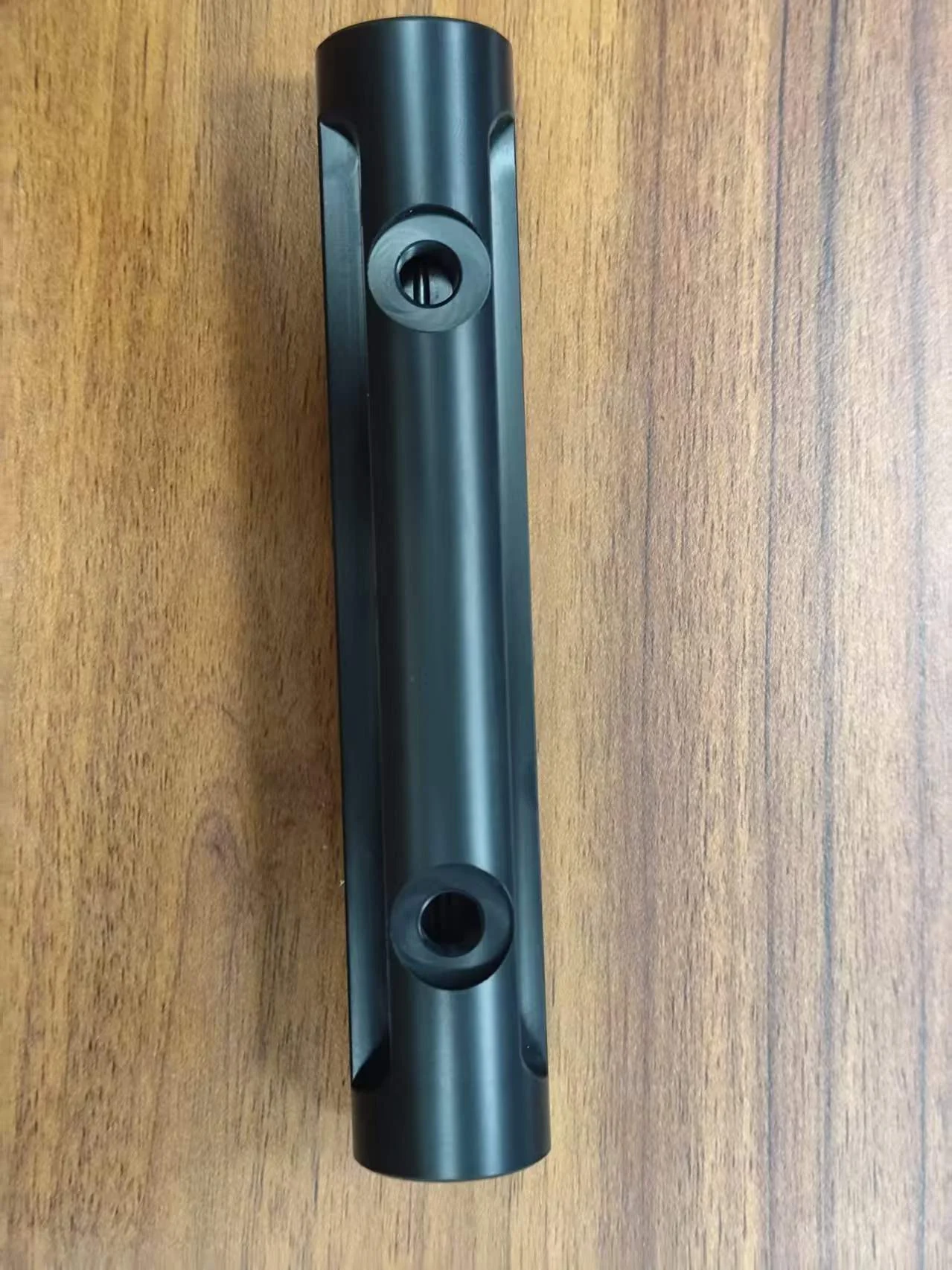
How to Maintain Feature Position Accuracy in Turn-Milled Cylindrical Parts
Learn how machining references, clamping, angular positioning and inspection affect cross-hole and feature position accuracy in turn-milled cylindrical parts.
View Details
Technical Notes
Practical buyer-focused notes for CNC turning, turn-mill machining, RFQ drawing packages, runout, burr control, thread fit, bore control and export packing.
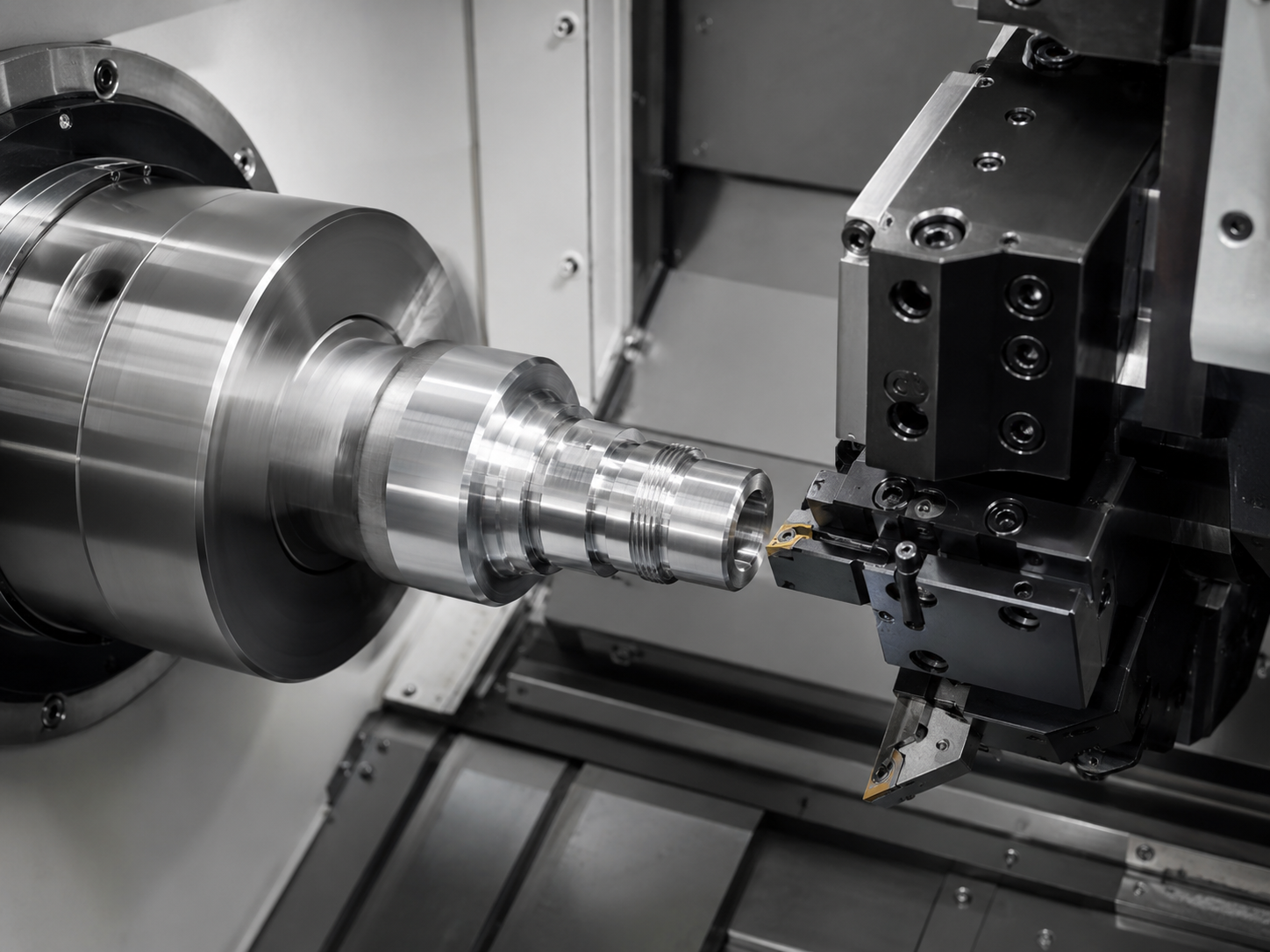
Learn how machining references, clamping, angular positioning and inspection affect cross-hole and feature position accuracy in turn-milled cylindrical parts.
View Details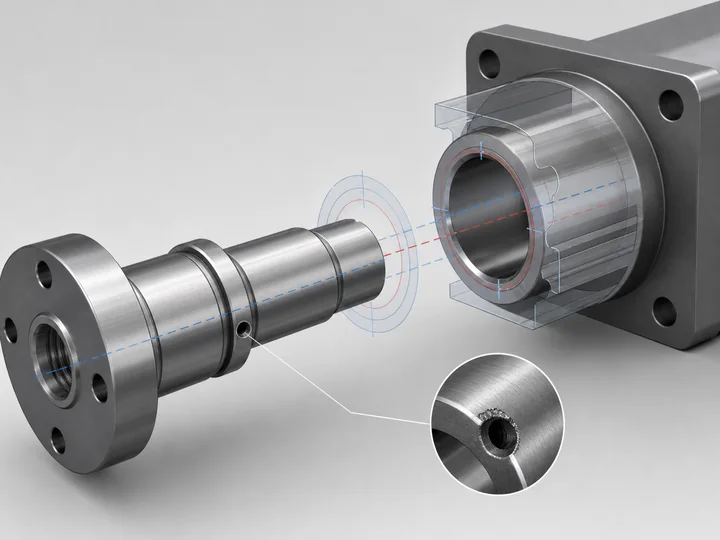
A CNC machined part can meet individual tolerances but still fail during assembly because of datum relationships, runout, coaxiality, hole position, burrs, thread fit or surface treatment effects.
View Details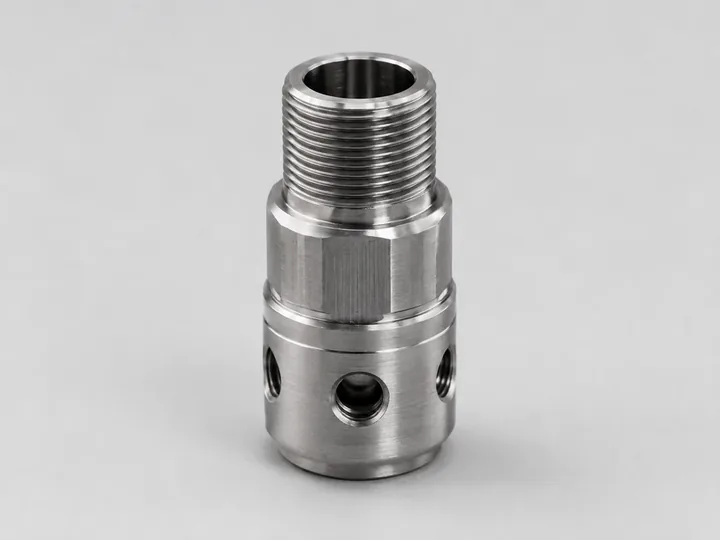
Learn when CNC turning or turn-mill machining is better for shafts, sleeves, threaded components and complex rotational parts.
View Details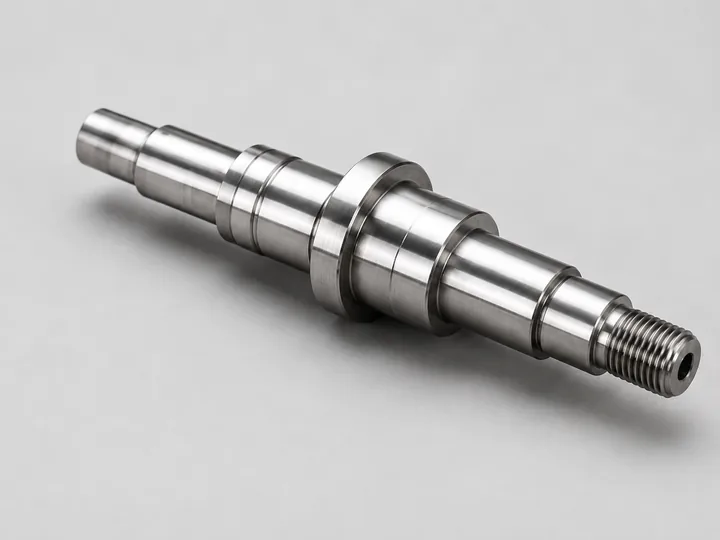
Understand runout risks in CNC machined shafts, including datum selection, workholding, tool access, material and inspection method.
View Details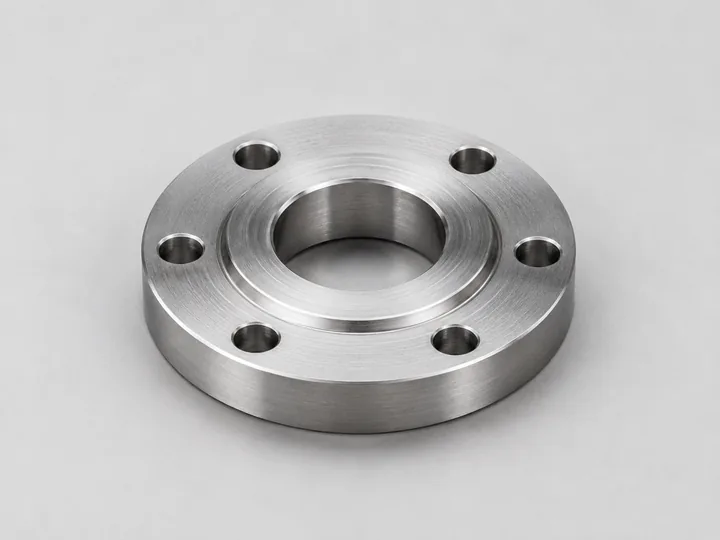
Learn how burrs form in CNC turned parts with grooves, cross holes, threads and bores, and what buyers should define before RFQ.
View Details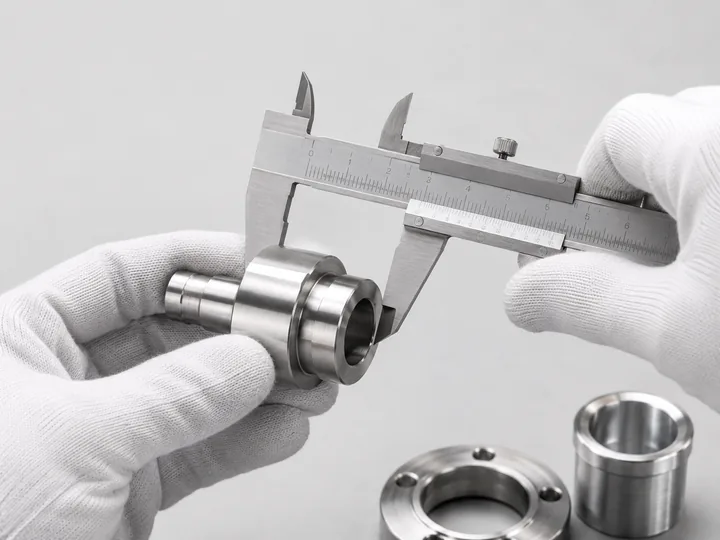
A practical RFQ checklist for overseas buyers sending CNC machining drawings, 3D files, material, quantity and inspection requirements.
View Details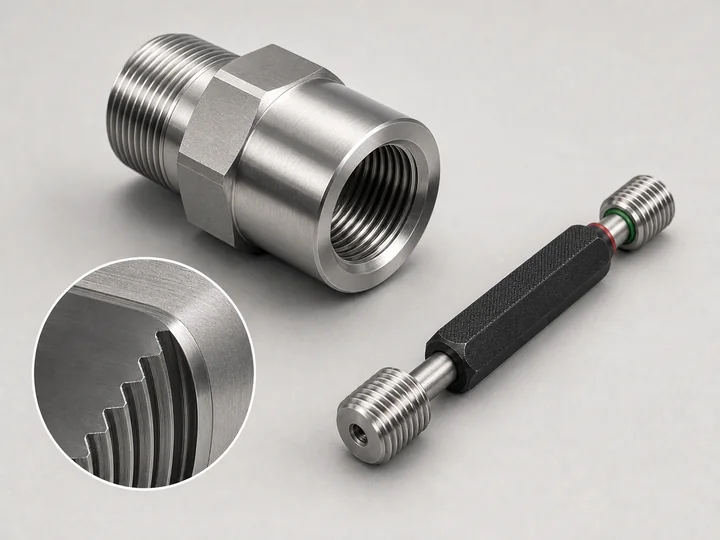
A technical guide for buyers sourcing CNC threaded components, threaded adapters, sleeves, shafts and fittings.
View Details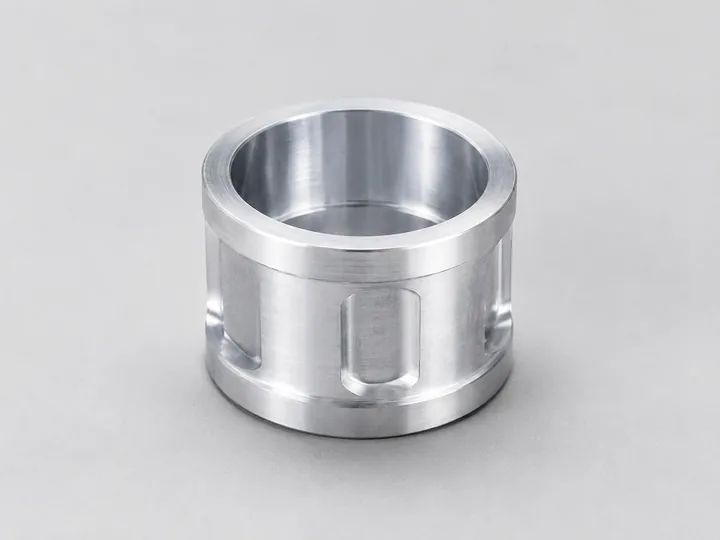
Understand bore control, OD/ID relationship, burrs and fit concerns for CNC machined sleeves and bushings.
View Details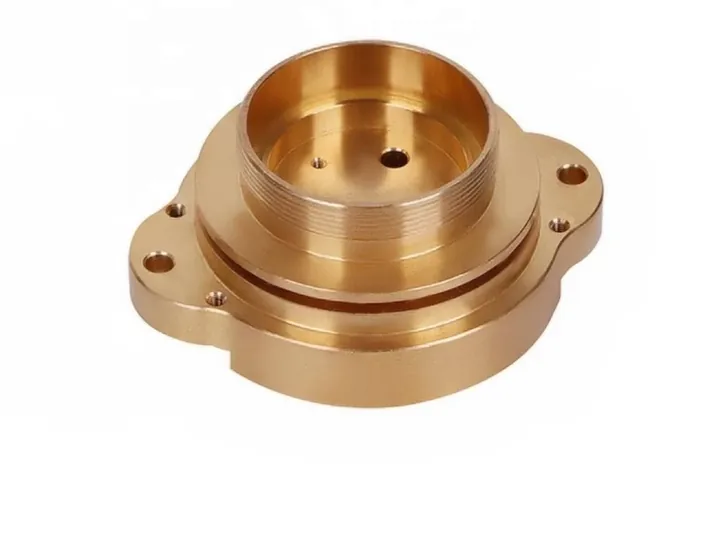
Learn machining concerns for brass adapters and fittings, including threads, sealing faces, bores and burr control.
View Details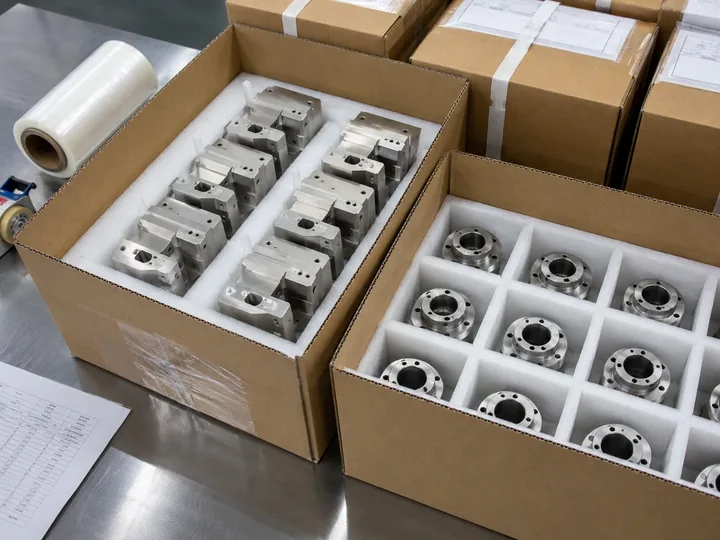
How export packing protects CNC machined shafts, sleeves, threaded components, fittings and surface-treated parts during shipment.
View Details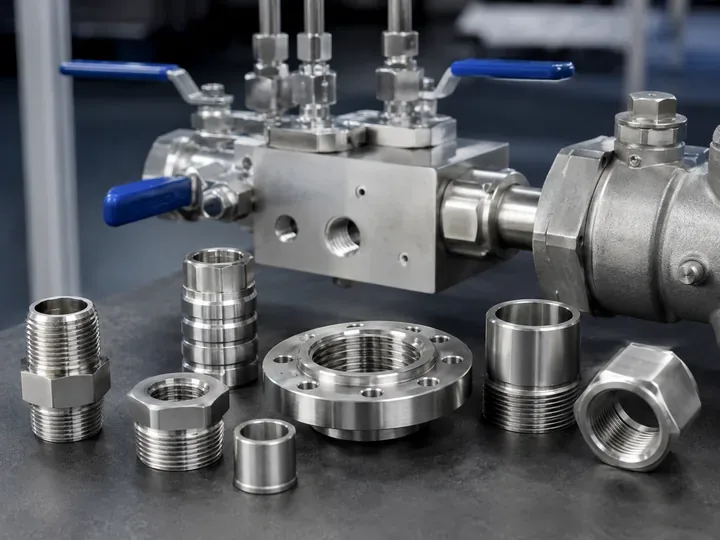
Engineering guide to GB/T 1222-2025 spring steels, grade families, alloying elements, heat treatment, machining risks and the difference from GB/T 4357 spring wire.
View DetailsUse these technical notes to prepare clearer RFQs for drawing-based CNC turned and turn-mill machined components.
Send material, quantity, tolerance, thread, surface treatment and assembly notes with your drawing package.
Send Drawings for ReviewSend drawings, material, quantity, surface treatment, tolerance requirements and target delivery date.
Your drawings and technical files are used only for RFQ review, manufacturing communication and inspection planning. DXSCNC does not publish or share customer drawings without permission.