Technical Notes
Machined Sleeves and Bushings: Bore Control and Assembly Fit
This technical note is written for overseas engineering and procurement buyers sourcing drawing-based CNC turned and turn-mill components. It explains practical manufacturing points that can affect quotation, machining, inspection and delivery.
Why Bore Control Matters
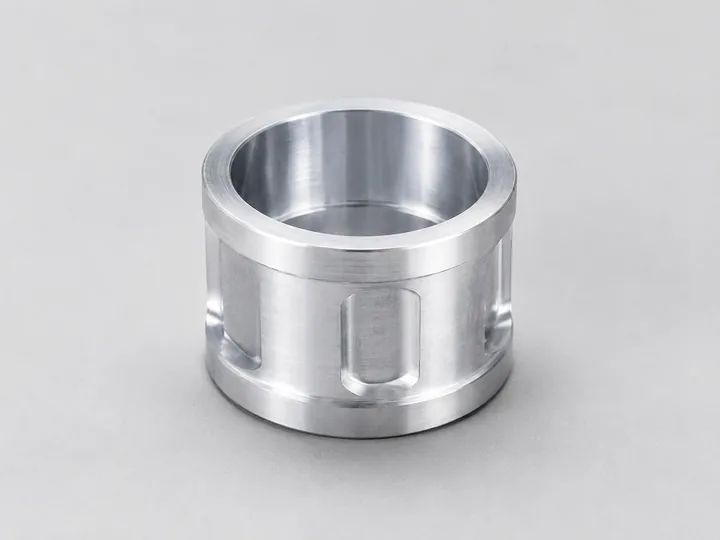
Sleeves and bushings often depend on bore quality for assembly, motion, spacing or support. A bore that is dimensionally correct but rough, burred or distorted may still cause problems.
OD/ID Relationship
When the drawing specifies coaxiality, concentricity or fit relationship between bore and OD, workholding and inspection must follow that requirement.
Thin-Wall Concerns
Thin-wall sleeves can deform during clamping or cutting. The machining plan should consider wall thickness, material and support method.
RFQ Notes
Buyers should identify bore tolerance, surface finish, fit requirement, material, surface treatment and whether internal burrs are allowed.
Common Components Related to This Topic
- CNC machined shafts
- machined sleeves and bushings
- threaded components
- flanged components
- brass fittings and adapters
- turn-mill components with cross holes or flats
DXSCNC Review Approach
DXSCNC reviews drawings before quotation. Typical review points include machining range, workholding, tool access, material behavior, tolerance risk, burr locations, surface treatment, inspection feasibility and export packing. Our machining range supports parts up to 400 mm turning diameter and up to 500 mm machining length.
RFQ Checklist
- 2D drawing and/or 3D model
- Material grade and specification
- Quantity and expected batch size
- Surface treatment or coating requirements
- Critical tolerances and inspection notes
- Thread standard if applicable
- Surface finish requirements
- Assembly or functional notes
- Target delivery date
Related Pages
FAQ
Can DXSCNC review drawings before quotation?
Yes. DXSCNC reviews drawing details, material, quantity, tolerances, surface treatment and inspection requirements before quoting.
Should buyers send both 2D and 3D files?
Yes, when available. A 2D drawing defines tolerances and inspection requirements, while a 3D model helps review geometry and tool access.
What parts fit DXSCNC best?
DXSCNC focuses on small to mid-size drawing-based rotational components, including shafts, sleeves, bushings, flanges, threaded components, adapters, spacers and fittings.
Common Mistakes to Avoid
A frequent mistake is sending only a 3D model without a 2D drawing. A 3D model is useful for geometry, but it usually does not define tolerances, surface finish, thread class, material condition or inspection references. Another mistake is treating surface treatment as a separate afterthought. Anodizing, plating, passivation, coating and polishing can affect dimensions, thread fit, visual appearance and packing requirements.
Buyers should also avoid hiding functional requirements. If a feature is used for sealing, alignment, rotation, press fit or sliding fit, that information should be shared during RFQ review. A supplier cannot properly judge risk if the drawing does not identify which features are truly critical.
How to Use This Technical Note
This technical note should be used as a practical checklist before sending drawings for quotation. It is not a replacement for engineering review, but it helps buyers prepare clearer RFQ information. When the drawing contains complex features, tight tolerances or unclear inspection requirements, DXSCNC can review the project and identify questions before quotation.
The goal is not to make the drawing more complicated. The goal is to make the important requirements visible so quotation, machining, inspection and export delivery can be planned correctly.
Request a Quote
If you are sourcing drawing-based CNC turned or turn-mill components, send your drawing package to DXSCNC for review.