Aluminum for lightweight spacers, sleeves, shafts and UAV-related parts.
CNC Turning
CNC Turning for Shafts, Sleeves, Bushings, Pins, Spacers and Rotational Parts
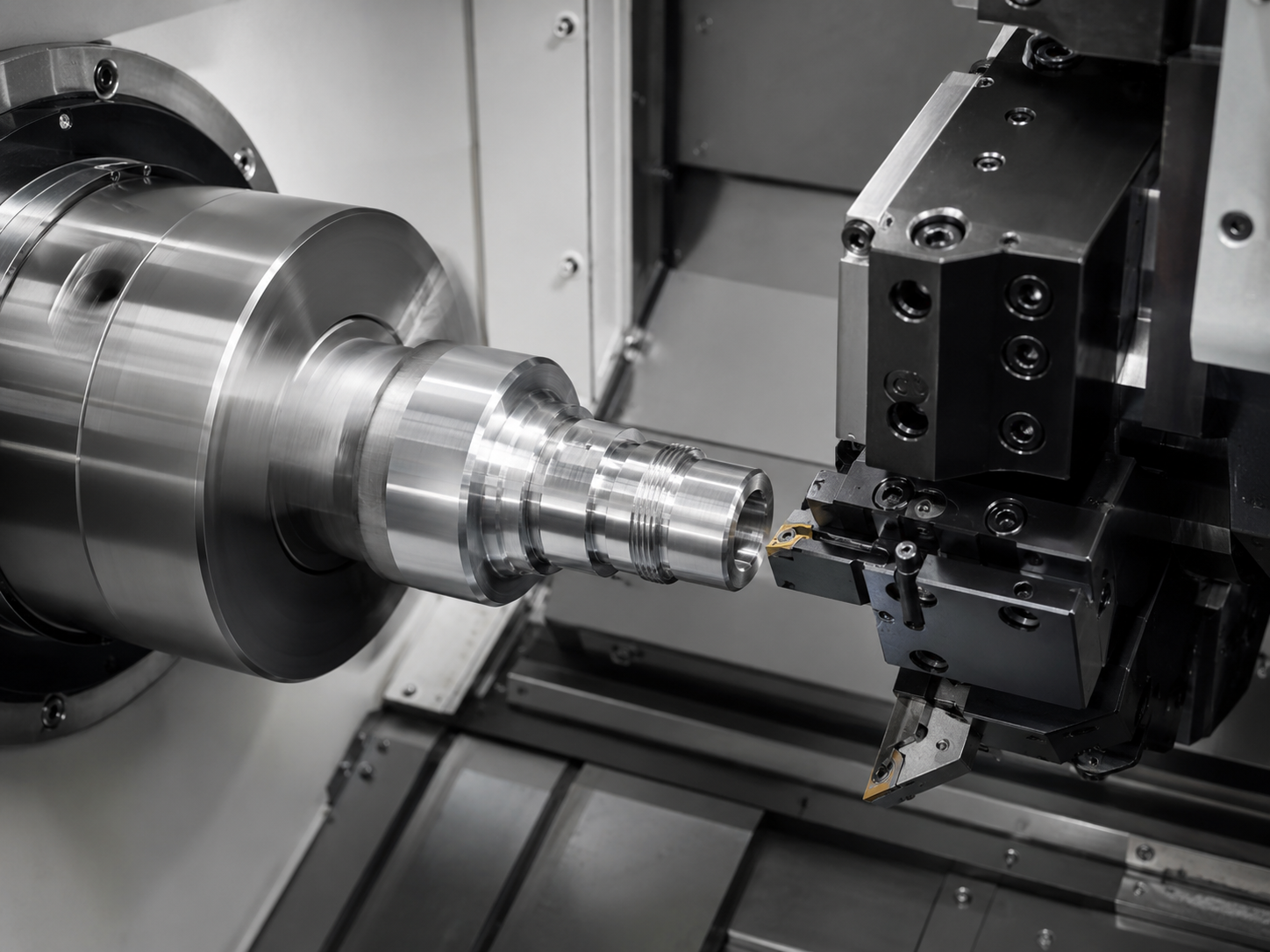
DXSCNC provides CNC turning for drawing-based components that require controlled diameters, bores, grooves, threads, shoulders, faces, chamfers, and repeatable fit. We are suitable for prototypes, small batches, and mid-volume production.
Machining Range
DXSCNC focuses on small to mid-size precision turned and turn-mill components.
Max turning diameterUp to 400 mm
Max machining lengthUp to 500 mm
Typical machining tolerance: +/-0.02 mm for suitable CNC turned and turn-mill features after drawing review.
Tolerance feasibility depends on material, geometry, part size, wall thickness, surface treatment, workholding and inspection method. Send the drawing so the feature relationships can be reviewed before quoting.
Send drawings for size review
Share the drawing, material grade, tolerance requirements and quantity so we can confirm whether the part fits the machining range and process plan.
Send Drawings for ReviewBest-Fit Parts
- Stepped shafts
- Pins and spacers
- Sleeves and bushings
- Threaded adapters
- Collars and rings
- Small flanges
- Fittings and connection parts
- Rotational components with bores, grooves and threads
Typical Turned Features
- OD turning
- ID boring
- Facing
- Parting
- Grooving
- Internal threads
- External threads
- Shoulders and step diameters
- Chamfers and edge breaks
- Thread reliefs and undercuts
- Surface finish control on mating areas
Common Materials
Stainless steel for corrosion-resistant shafts, sleeves, fittings and valve-related parts.
Carbon and alloy steel for strength, wear, and heat-treatment related requirements.
Brass, copper and bronze for fittings, adapters, bushings and electrical or fluid-control parts.
Engineering plastics when drawings require low weight, isolation, or low-friction behavior.
Manufacturing Concerns
Long or Slender Parts
Slender shafts can be affected by deflection, runout, support method, and packing protection.
Bore-to-OD Relationship
Sleeves and bushings often depend on the relationship between the inner bore, outer diameter, and end faces.
Thread Quality
Thread standard, depth, entrance chamfer, relief, and gauge inspection should be clear on the drawing.
Groove and Shoulder Position
Grooves, circlip areas, and shoulder distances are reviewed against functional datums, not only nominal shape.
Burr Control
Thread starts, grooves, cross-hole exits and sharp transitions are checked for burr risk and assembly impact.
Finishing Allowance
Anodizing, plating, black oxide, passivation, or heat treatment can change surface and dimensional planning.
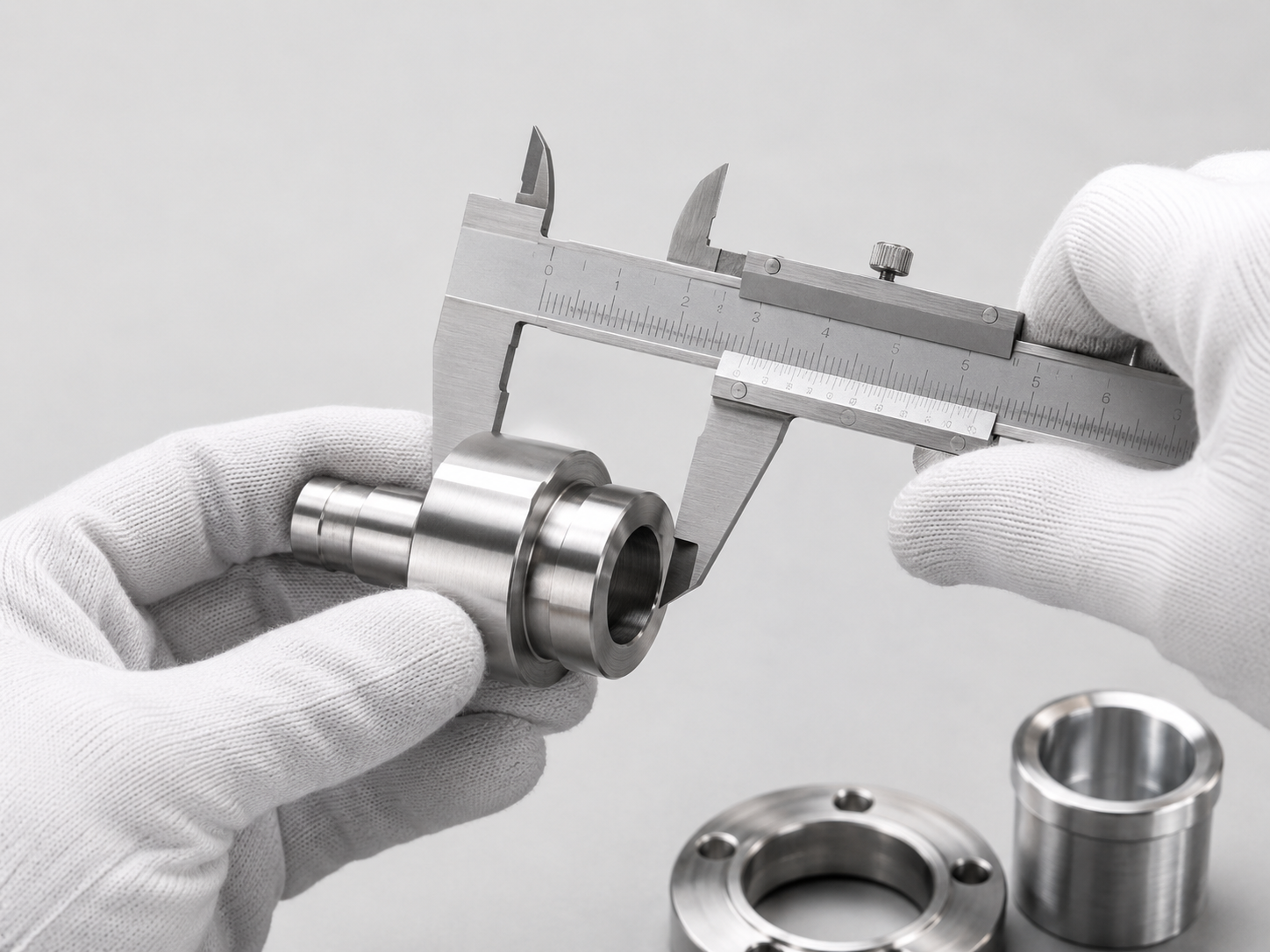
Inspection Focus
- Critical diameters
- Bore size
- Thread fit
- Shoulder position
- Groove width and location
- Surface finish on mating areas
- Runout when specified
- Burr control at thread starts and grooves
- Visual check before packing
RFQ Checklist
- 2D drawing and/or 3D model
- Material grade and equivalent standard
- Quantity and expected repeat demand
- Tolerance and datum requirements
- Thread standard and fit
- Surface finish requirements
- Surface treatment or heat treatment
- Application or assembly notes
- Target delivery date
Send drawings for CNC turning review
We will check size range, workholding, tool access, bore and thread risk, burr control, inspection feasibility, and packing before quoting.
Send Drawings for ReviewRelated Components
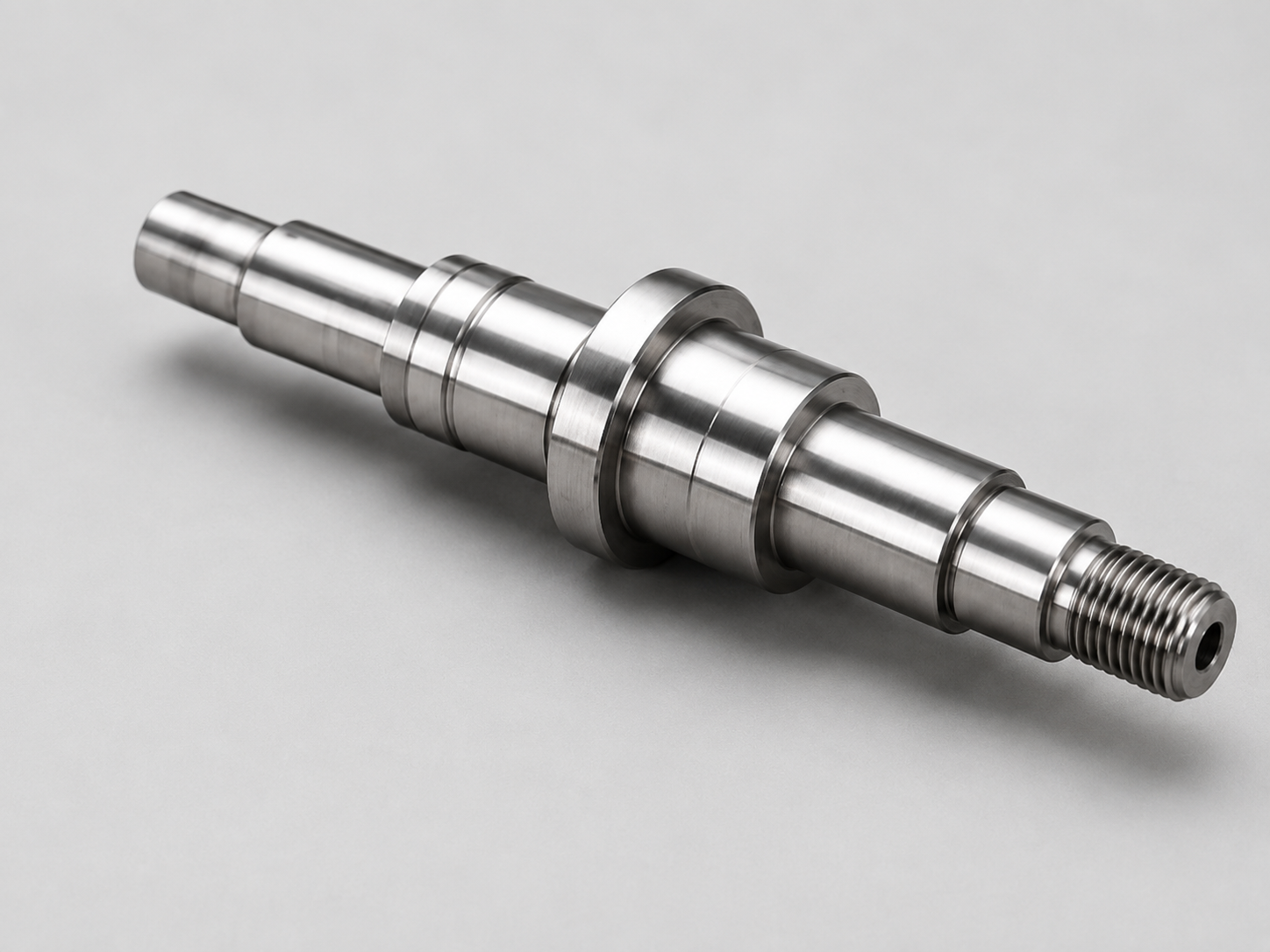
CNC Machined Shafts
Stepped diameters, grooves, threads, shoulders, cross holes, and controlled mating surfaces.
View details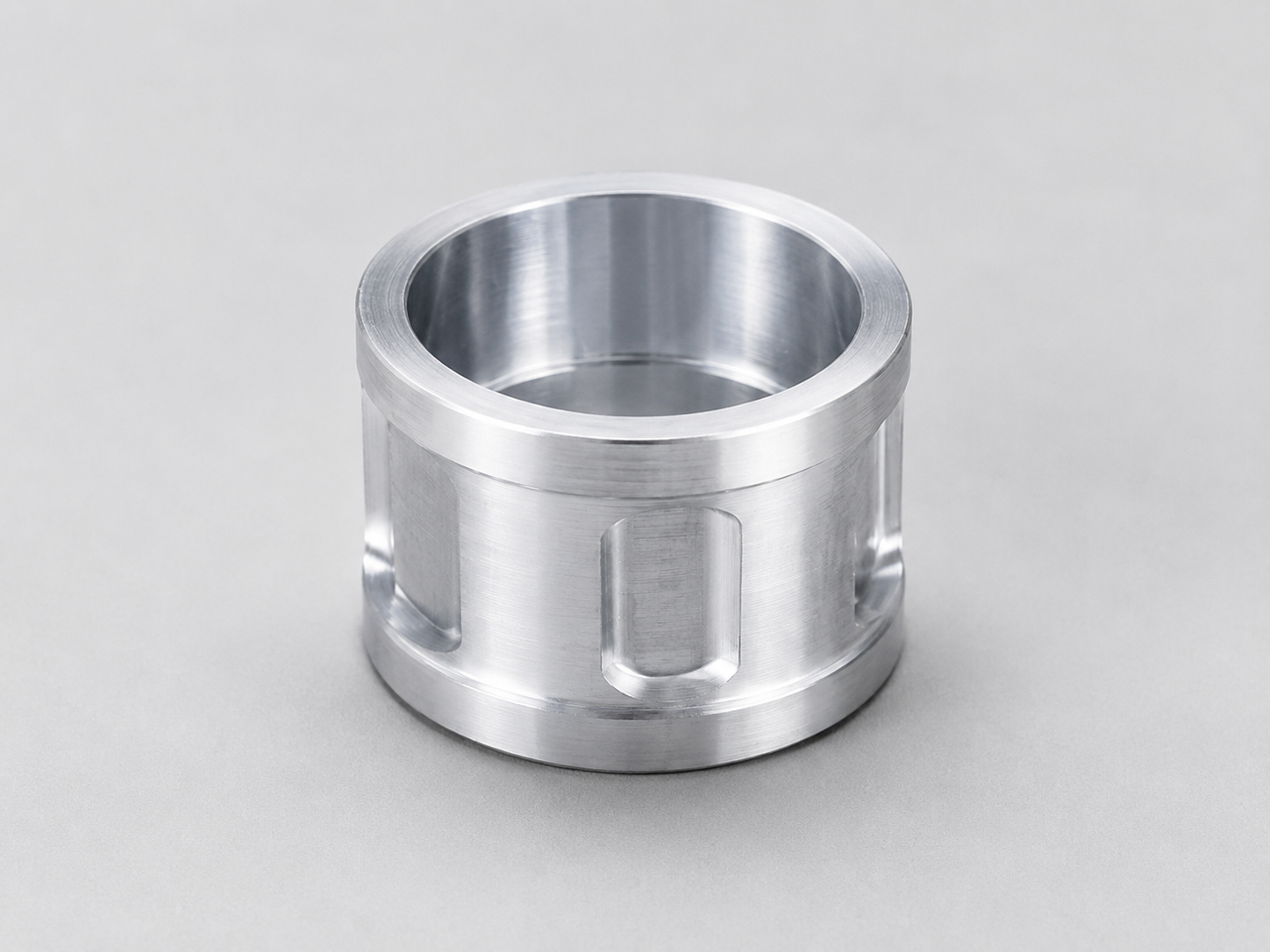
Sleeves & Bushings
Bore control, OD/ID relationship, end-face quality, chamfering, cross holes, and deburring.
View details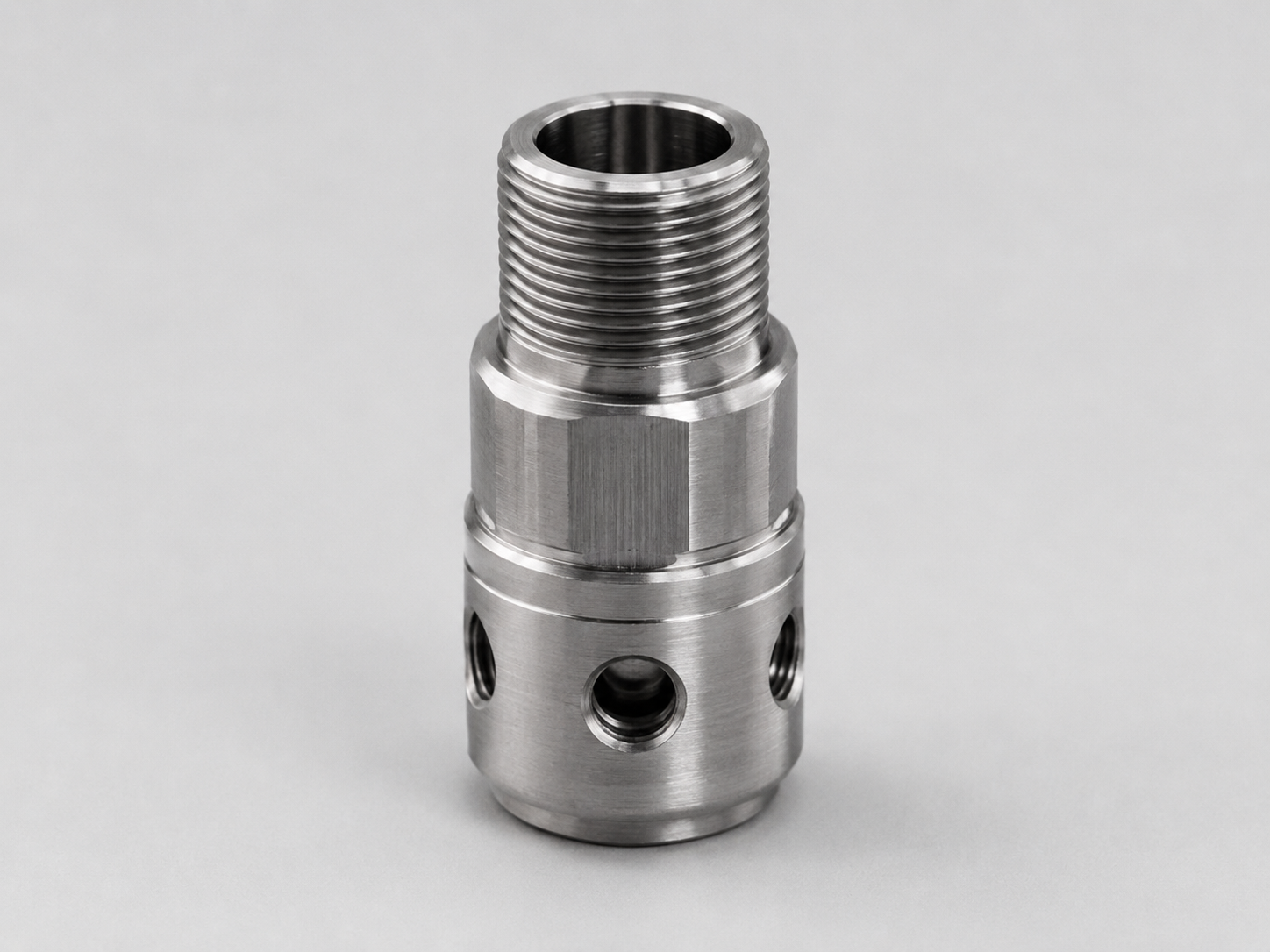
Threaded Components
Internal and external threads, thread depth, entrance chamfer, burr control, and gauge inspection.
View details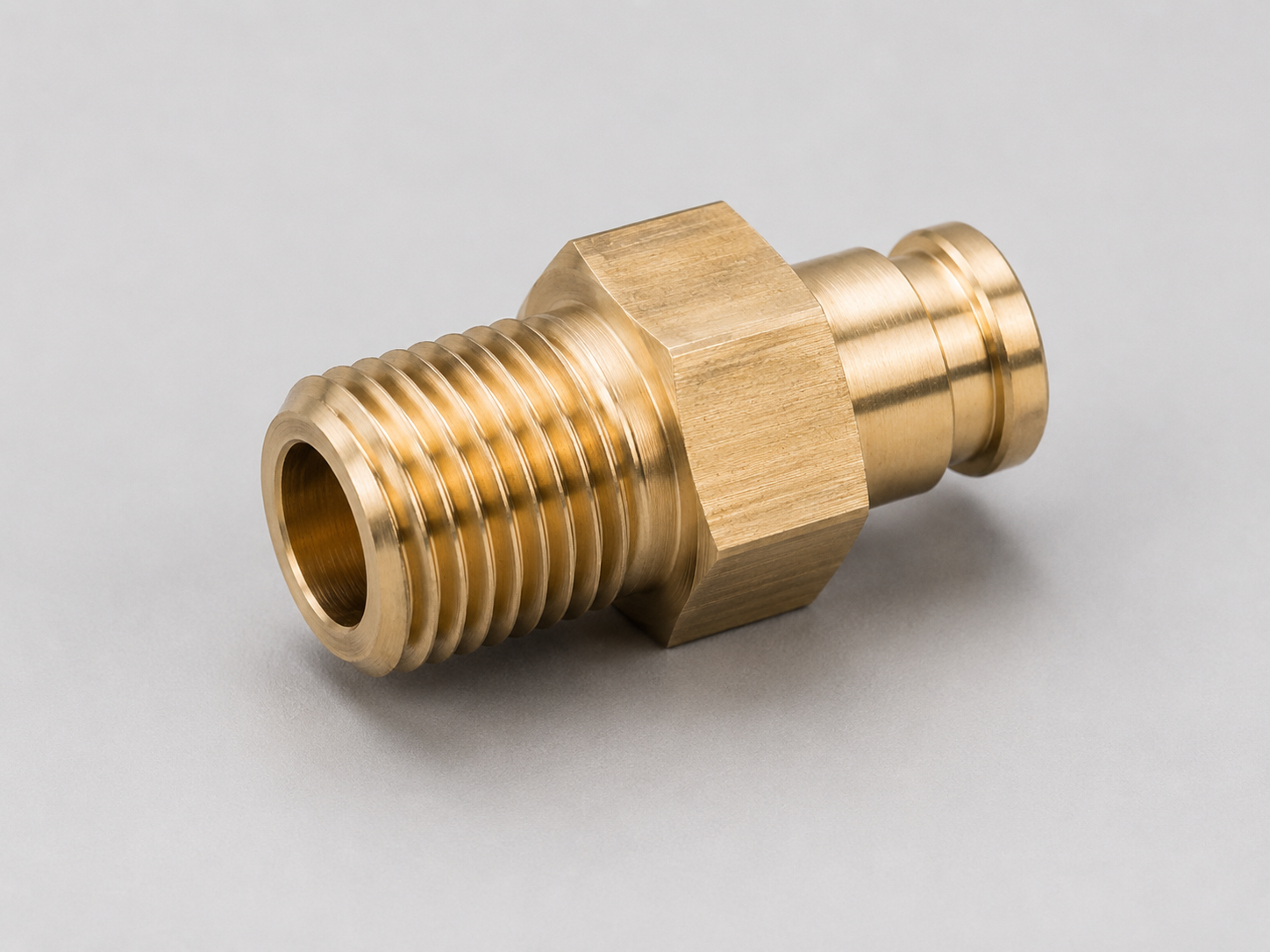
Adapters & Fittings
Connection parts for mechanical, industrial, brass, and fluid-control assemblies.
View detailsRelated Manufacturing Case
Review a real DXSCNC turn-mill component using customer-approved public photos. The case focuses on visible geometry, radial side-feature burr-control risk, finished-surface protection and drawing-review points without exposing confidential customer data.
Threaded turn-mill component with radial cross holes
See the real finished-part photos, evidence limits and buyer review points.
Turn-mill machining case studyRelated Brass Turn-Mill Case
Review a real DXSCNC brass turn-mill component case using customer-approved public finished-part photos. The case focuses on strict geometric tolerance review, CMM inspection planning, anti-oxidation treatment and individual packing protection.
Brass turn-mill component with CMM inspection
See the public project facts, finished-part photos and buyer review points.
Brass turn-mill case studyRelated Brass Threaded Sleeve Production Example
Review a DXSCNC-owned brass threaded sleeve production example with mirror-polished surface, internal thread review, bore finish, burr-control concerns and packing-protection notes. Customer identity, drawing number and order value are not published.
Mirror polished brass threaded sleeve
See real DXSCNC product photos and buyer review points for similar drawing-based brass sleeves.
View production exampleRelated Q345R Pressure Component Production Example
Review a DXSCNC-owned Q345R sealed gas-chamber component production example. The public page focuses on CNC turning, sealing-related features, nickel-plating allowance, dimensional review and inspection planning without publishing customer or drawing information.
Q345R nickel-plated pressure component
The supplied project requirement identifies gas service up to 6 MPa; the page does not present a public pressure-test record or product certification.
View production exampleRelated 45# Steel Production Case
Review a real anonymous DXSCNC CNC turning case for a 10,000-piece batch of precision 45# steel threaded cylindrical components. The case focuses on tool-wear planning, repeat dimensional control and a drawing-defined +/-0.01 mm critical tolerance requirement.
10,000-piece CNC turning batch
See DXSCNC-owned production photos and the approved public project facts without customer drawings or confidential order data.
View steel CNC turning caseFAQ
What part sizes fit DXSCNC CNC turning?
Our best fit is small to mid-size turned parts up to 400 mm turning diameter and 500 mm machining length.
Can DXSCNC machine threaded parts?
Yes. Please provide thread standard, fit, depth, relief and inspection requirements when available.
Can drawings include tight runout or coaxiality?
Yes, when specified. We review datum references, workholding and inspection feasibility before quoting.
Do you support small batches?
Yes. DXSCNC is suitable for prototypes, small batches and mid-volume drawing-based production.
Related Engineering Notes
These engineering notes cover common inspection and assembly risks for drawing-based turned components.