
Material
42CrMo / 42CrMo4 CNC Machined Parts for Strength-Focused Assemblies
DXSCNC supports CNC turning and turn-mill machining for drawing-based components made from 42CrMo / 42CrMo4 alloy steel. 42CrMo and 42CrMo4 alloy steels are used when mechanical strength, toughness or heat-treatment response is required. They are common in shafts, collars, sleeves, threaded parts and load-related mechanical components.
DXSCNC is a China-based precision CNC turning and turn-mill machining supplier focused on drawing-based rotational and assembly-sensitive components. Our machining range supports parts up to 400 mm turning diameter and up to 500 mm machining length.
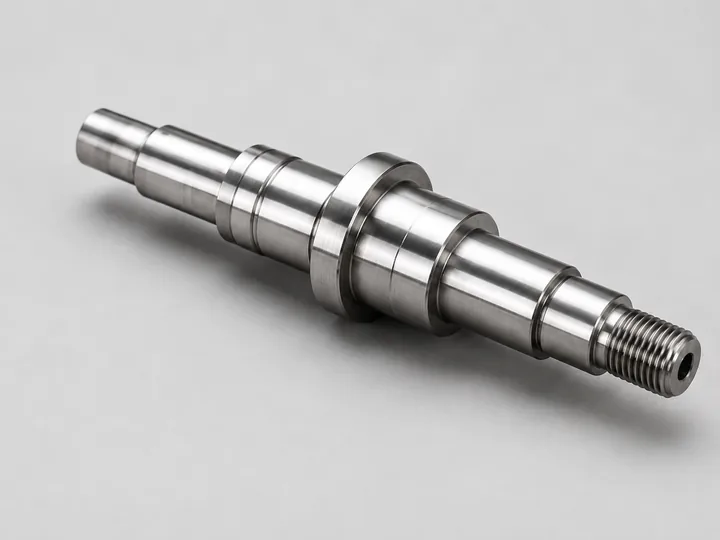
Typical Components
- alloy steel shafts
- threaded mechanical parts
- collars and sleeves
- flanged strength components
- parts requiring heat treatment or coating coordination
Why Material Review Matters
Material choice affects tool wear, burr formation, thread quality, surface finish, dimensional stability and finishing results. A part made from the right geometry but wrong material condition may still fail assembly or inspection. DXSCNC reviews material grade, heat treatment condition, surface treatment, critical features and inspection method before production.
Manufacturing Considerations
Alloy steel machining requires review of hardness condition, heat treatment stage, coating requirements and final tolerance control. If machining occurs before heat treatment, distortion risk should be considered. If final machining happens after heat treatment, tool wear and process cost may increase.
For material-specific CNC machining, the buyer should confirm whether the drawing requires raw material certificates, coating certificates, heat treatment records or special packaging. Surface treatment can change thread fit, bore fit and cosmetic expectations, so it should not be treated as an afterthought.
Critical Features Often Reviewed
- threads and thread starts
- bores and counterbores
- grooves and relief cuts
- cross holes and radial holes
- mating or sealing faces
- surface finish and visual appearance
- dimensions affected by coating or anodizing
Inspection Focus
- critical dimensions from the drawing
- thread fit or gauge requirements
- bore size and burr condition
- surface finish when specified
- visual condition after machining or treatment
- packing protection before export
RFQ Checklist
- 2D drawing and/or 3D model
- Material grade and specification
- Quantity and expected batch size
- Surface treatment or coating requirements
- Critical tolerances and inspection notes
- Thread standard if applicable
- Surface finish requirements
- Assembly or functional notes
- Target delivery date
Related DXSCNC Pages
FAQ
Can DXSCNC machine 42CrMo / 42CrMo4 alloy steel parts from customer drawings?
Yes. DXSCNC reviews drawings, material grade, quantity, critical features and inspection requirements before quoting.
What should buyers confirm for 42CrMo / 42CrMo4 alloy steel CNC machining?
Buyers should confirm material grade, tolerance requirements, surface treatment, thread standards, surface finish and any functional assembly notes.
Does surface treatment affect quotation?
Yes. Surface treatment can affect dimensions, thread fit, masking needs, cosmetic requirements, lead time and packing method.
How DXSCNC Supports Overseas Buyers
Overseas buyers often need more than a unit price. They need a supplier that can read drawings carefully, identify unclear requirements, ask useful technical questions and protect the project from avoidable production risk. DXSCNC supports this process by reviewing the part geometry, material grade, tolerance notes, surface treatment, inspection requirements and packing expectations before quotation.
For drawing-based CNC machined parts, communication quality is part of manufacturing quality. If the drawing contains critical bores, threads, datum relationships, sealing faces, runout requirements or coating notes, these points should be reviewed before cutting material. This helps reduce misunderstandings between engineering, procurement and production teams.
DXSCNC also supports export-oriented projects where parts must arrive protected and ready for inspection. Threads, polished surfaces, anodized surfaces, sealing faces and precision bores may need separated packing or extra protection. When packing requirements are known early, they can be considered together with machining and inspection.
What Makes a Good RFQ for This Page
A useful RFQ does not need to be long, but it should be clear. Buyers should send the drawing package, material grade, quantity, tolerance requirements, surface treatment and target delivery date. If the part has an assembly function, that function should be mentioned. For example, a bore used for sliding fit, a face used for sealing, or a thread used for repeated assembly may need extra inspection attention.
When the project is urgent, please state the required delivery date and whether partial shipment is acceptable. When the quantity may increase later, it is also helpful to mention prototype quantity and expected production quantity separately. This allows DXSCNC to review both the first batch and repeat-batch manufacturing approach.
Request a Quote
If you are sourcing drawing-based CNC turned or turn-mill components, send your drawing package to DXSCNC for review.
Related Q345R Pressure Component Production Example
Review a DXSCNC-owned Q345R sealed gas-chamber component production example. The public page focuses on CNC turning, sealing-related features, nickel-plating allowance, dimensional review and inspection planning without publishing customer or drawing information.
Q345R nickel-plated pressure component
The supplied project requirement identifies gas service up to 6 MPa; the page does not present a public pressure-test record or product certification.
View production example