Material Guide

45# Steel for CNC Machining: Properties, Applications and Manufacturing Considerations

An engineering guide to 45# steel material behavior, CNC turning, heat-treatment coordination, surface treatment and drawing-based manufacturing review.

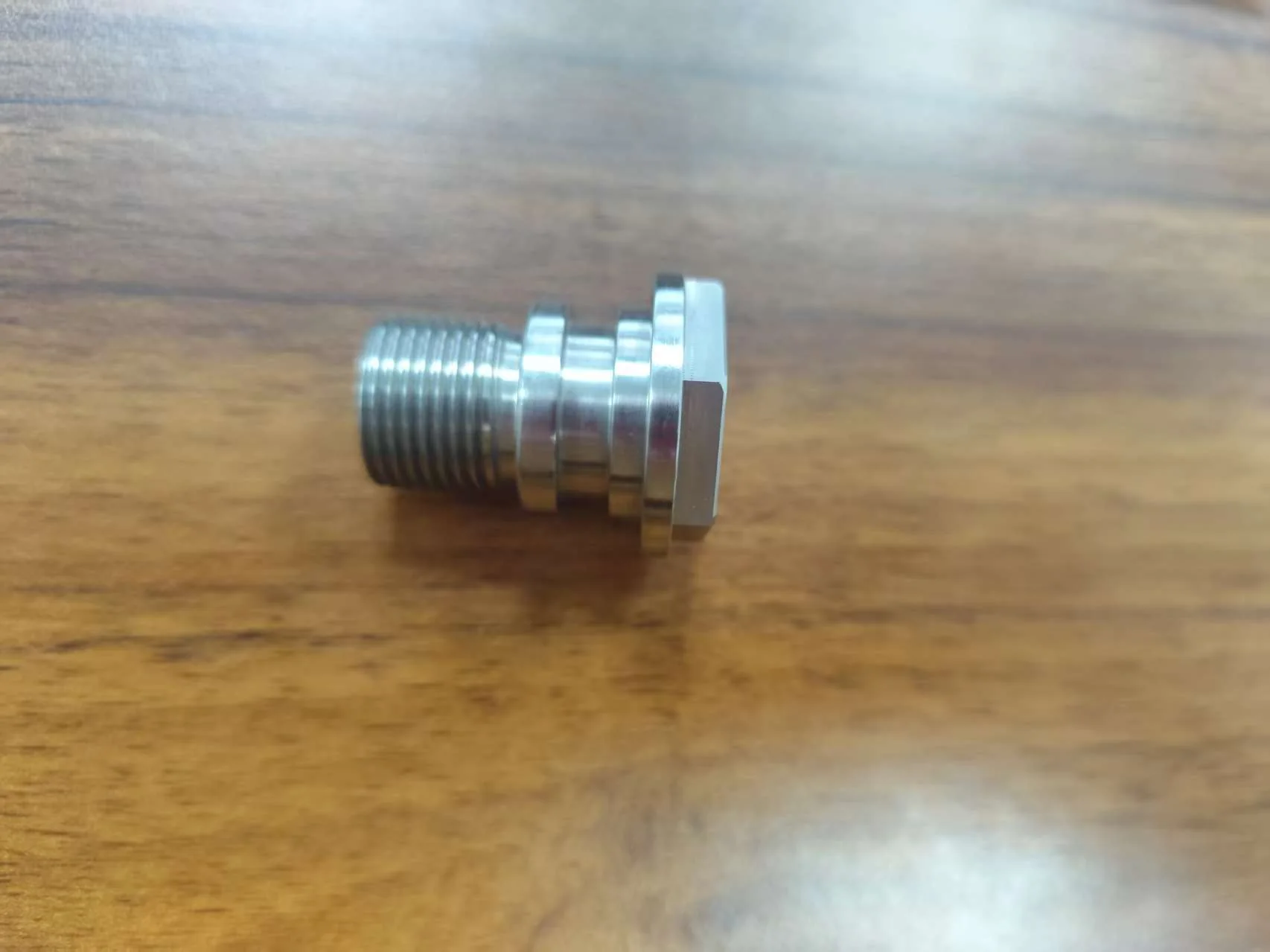
45 steel precision CNC turned component

Introduction

45# steel is a commonly used Chinese medium carbon steel for mechanical manufacturing. Its practical balance of strength, toughness, machinability, availability and heat-treatment response makes it relevant to shafts, sleeves, adapters, threaded components, coupling parts and other drawing-based mechanical components.

For CNC machining, the grade name alone is not enough to define the process. Supply condition, heat treatment, surface requirements, feature geometry, tolerance and inspection method can all influence tool selection, cutting conditions and dimensional control.

What Is 45# Steel?

45# steel is a Chinese GB medium carbon steel. The number 45 refers to an approximate carbon content of 0.45 percent.

Engineers often compare the grade with C45 / 1.0503 and AISI 1045. These are useful comparison grades, but they should not be treated as automatically interchangeable for every order. Chemical composition, mechanical properties, delivery condition, heat treatment and certification requirements vary by standard and supplier.

Chinese designationGB 45 steel
Common European comparisonC45 / 1.0503
Common DIN designationC45
Common North American comparisonAISI 1045
Final engineering referenceCustomer drawing, applicable standard and material certificate

For an RFQ or production order, the customer drawing and required material documentation remain the final reference.

Typical Properties of 45# Steel

45# steel provides a useful combination of medium carbon content, machinability and response to heat treatment. Actual mechanical values depend on bar condition, heat treatment, section size and applicable material standard, so this guide does not assign guaranteed strength or hardness values.

Material typeMedium carbon steel
Approximate carbon content0.45 percent
Approximate density7.85 g/cm3
MachinabilityGenerally suitable for CNC turning, milling and drilling with process-specific tooling
Heat-treatment routesNormalizing, quenching and tempering, or localized hardening when specified

Why 45# Steel Is Common in CNC Machining

Compared with many low-carbon steels, 45# steel can provide a higher strength basis. Compared with more highly alloyed grades, it can offer a practical machining and material-cost balance for general mechanical components.

  • Widely available for drawing-based mechanical parts
  • Suitable for turning, milling, drilling and threading
  • Useful for shafts, sleeves, adapters and threaded components
  • Can be coordinated with heat treatment when the drawing requires it
  • Supports a range of protective and dimensional finishing processes

These advantages remain application-dependent. Corrosion exposure, fatigue duty, welding, impact loading, heat treatment and required certification should be evaluated before selecting the grade.

CNC Turning Considerations

Tool selection

Carbide grade, edge geometry and cutting parameters should match the material condition, feature geometry and production quantity. Stable tooling helps control surface finish, thread form and dimensional drift.

Heat control

Cutting heat affects tool wear, surface condition and measurement stability. Long production batches require a process that accounts for tool condition and thermal variation instead of relying on a single first-piece result.

Dimensional control

For precision turned steel components, the inspection plan may need to connect outside diameters, bores, threads, shoulders, lengths, grooves and functional mating surfaces. Datum references and feature relationships should be clear on the drawing.

Heat-Treatment Considerations

45# steel may be normalized, quenched and tempered, or locally hardened when required by component function. The correct route depends on the specified hardness, strength, wear behavior and dimensional requirements.

Heat treatment can change hardness, residual stress, distortion risk and machining behavior. Buyers should define whether critical dimensions apply before or after heat treatment and whether grinding or another finishing operation is required after treatment.

Common Applications

  • Shafts and stepped shafts
  • Sleeves and bushings
  • Threaded adapters and cylindrical connectors
  • Coupling components
  • Machine brackets and mounting parts
  • Mechanical transmission components
  • General drawing-based precision steel parts

The final material decision should be based on load, wear, corrosion environment, heat treatment, surface protection and applicable engineering standard.

45# Steel vs Stainless Steel

45# steel and stainless steel solve different engineering problems. 45# steel can be a practical choice where general mechanical strength, machinability, heat-treatment response and material cost are central. Stainless steel is usually considered when corrosion resistance, chemical exposure or hygiene requirements are more important.

Substitution should not be based only on nominal strength or price. The drawing should define material grade, operating environment, surface treatment and any documentation requirement.

Surface Treatment Options

Depending on the application and drawing, possible finishing routes for 45# steel include black oxide, zinc plating, phosphating, protective oil, localized hardening, grinding or precision finishing.

Surface treatment can change critical dimensions, thread fit, surface condition and corrosion protection. Treatment thickness, masking, pre-treatment allowance and post-treatment inspection should be reviewed before quotation.

Real Manufacturing Example

DXSCNC completed an anonymous production batch of 10,000 precision threaded cylindrical components made from 45# steel for a UK customer. The confirmed public data includes CNC turning as the main process and a drawing-defined critical tolerance requirement of +/-0.01 mm on selected features.

The case explains tool-wear planning, workholding repeatability, thread and bore control, stepped-feature relationships and dimensional monitoring across a high-volume batch. It does not disclose the customer name, drawing, application, order value or private inspection records.

Read the 45# steel CNC turning case study
45 steel precision CNC turned component
Real DXSCNC 45# steel CNC turned component from the related anonymous production case.

RFQ Information for 45# Steel Parts

  • 2D drawing
  • 3D STEP model when available
  • 45# steel standard and delivery condition
  • Quantity and repeat-demand information
  • Critical tolerances and datum references
  • Thread standards and fit requirements
  • Heat-treatment and hardness requirements
  • Surface treatment and coating thickness
  • Inspection and report requirements
  • Packing and target-delivery notes

Material and process review

DXSCNC reviews material condition, machining sequence, heat-treatment coordination, tolerance feasibility, inspection access and surface-treatment allowance before quotation.

Send Drawings for Review

Frequently Asked Questions

Is 45# steel suitable for CNC turning?

Yes. 45# steel is commonly used for CNC turning because it offers a practical balance of strength, availability and machinability. Tooling, cutting conditions and inspection planning still depend on the material condition, geometry and drawing requirements.

What is the difference between 45 steel and C45 steel?

They are commonly compared medium carbon steel grades, but they are not automatically interchangeable for every order. The applicable GB, EN or DIN standard, delivery condition, chemical composition, mechanical requirements and material certificate should be verified against the customer drawing.

Can 45# steel be heat treated?

Yes. Depending on component requirements, 45# steel may be normalized, quenched and tempered, or locally hardened. The drawing should identify hardness, treatment stage, critical post-treatment dimensions and any required finishing operation.

What information is needed for a 45# steel machining quotation?

Provide a 2D drawing, STEP model when available, material standard and delivery condition, quantity, critical tolerances, datum references, thread requirements, heat treatment, surface treatment, inspection needs and packing notes.

Related Pages

Request a Machining Quote

Send the drawing, material standard, supply condition, quantity, tolerance, thread, heat-treatment, surface-treatment and inspection requirements for a drawing-based review.

45# steel CNC machining review

Feasibility and process requirements will be confirmed against the submitted drawing before quotation.

Request a Quote